1 of 5; final preview opens all photos

Fushimi Inari Hidden Hike

Fushimi Inari · Tofuku-ji
Private tourGuided in English

Hike Mount Inari beyond the famous Senbon Torii, among stone altars and through bamboo groves, discovering how Inari worship takes shape across the mountain.

Overview

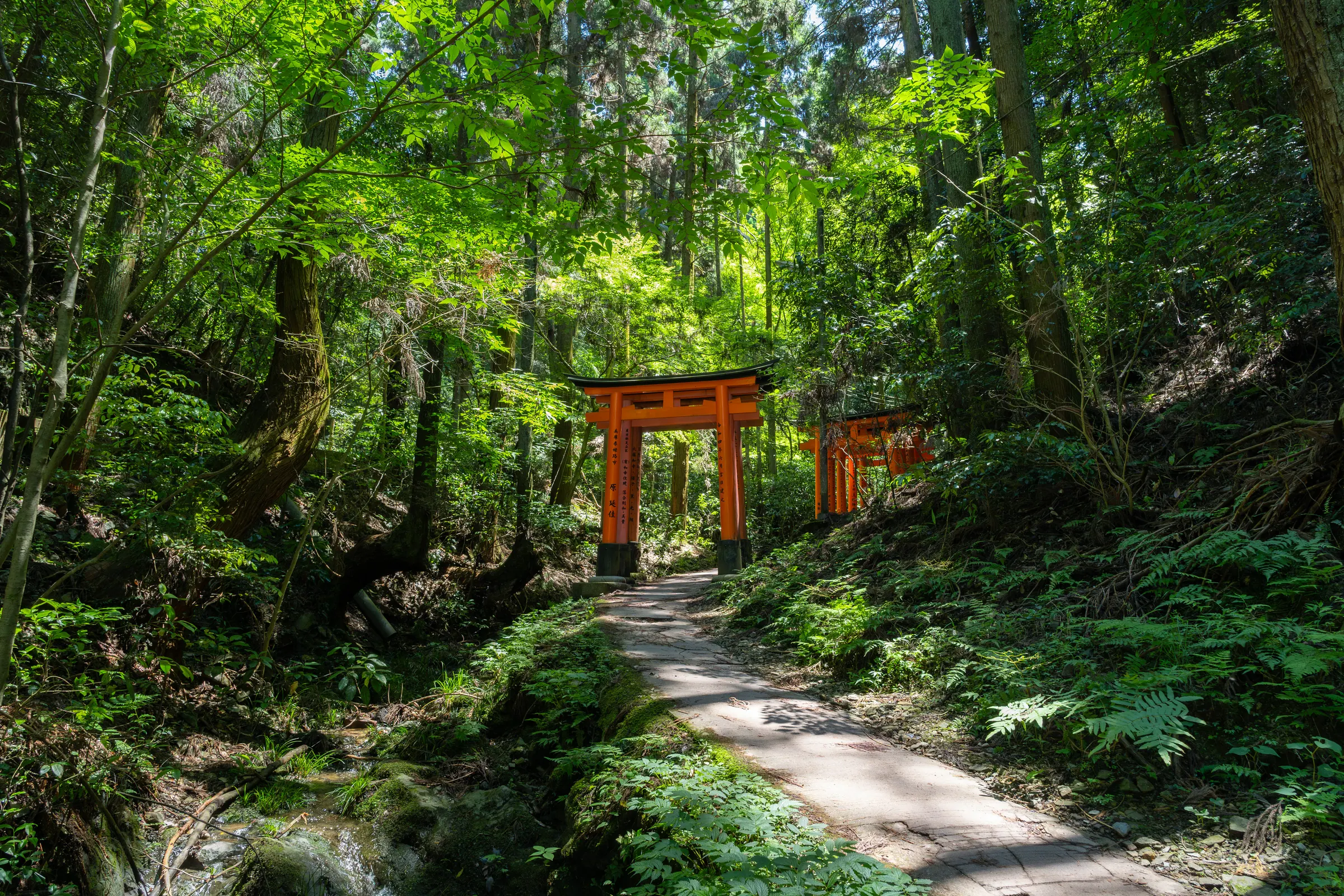
Fushimi Inari Taisha extends across Mount Inari, beyond the famous Senbon Torii. On this private hike, follow your guide up the mountain among otsuka stone altars, through vermilion torii gates, and down through bamboo groves, taking in views across Kyoto along the way. Discover the wishes behind the gates and altars, and see how centuries of devotion have shaped the mountain around you.

  • Hike the quieter trails of Mount Inari, beyond the busiest main shrine grounds
  • Discover bamboo groves, otsuka stone altars, and views across the city of Kyoto
  • Understand the mountain’s sacred sites through Inari worship, with insights from your guide

Fushimi Inari Taisha

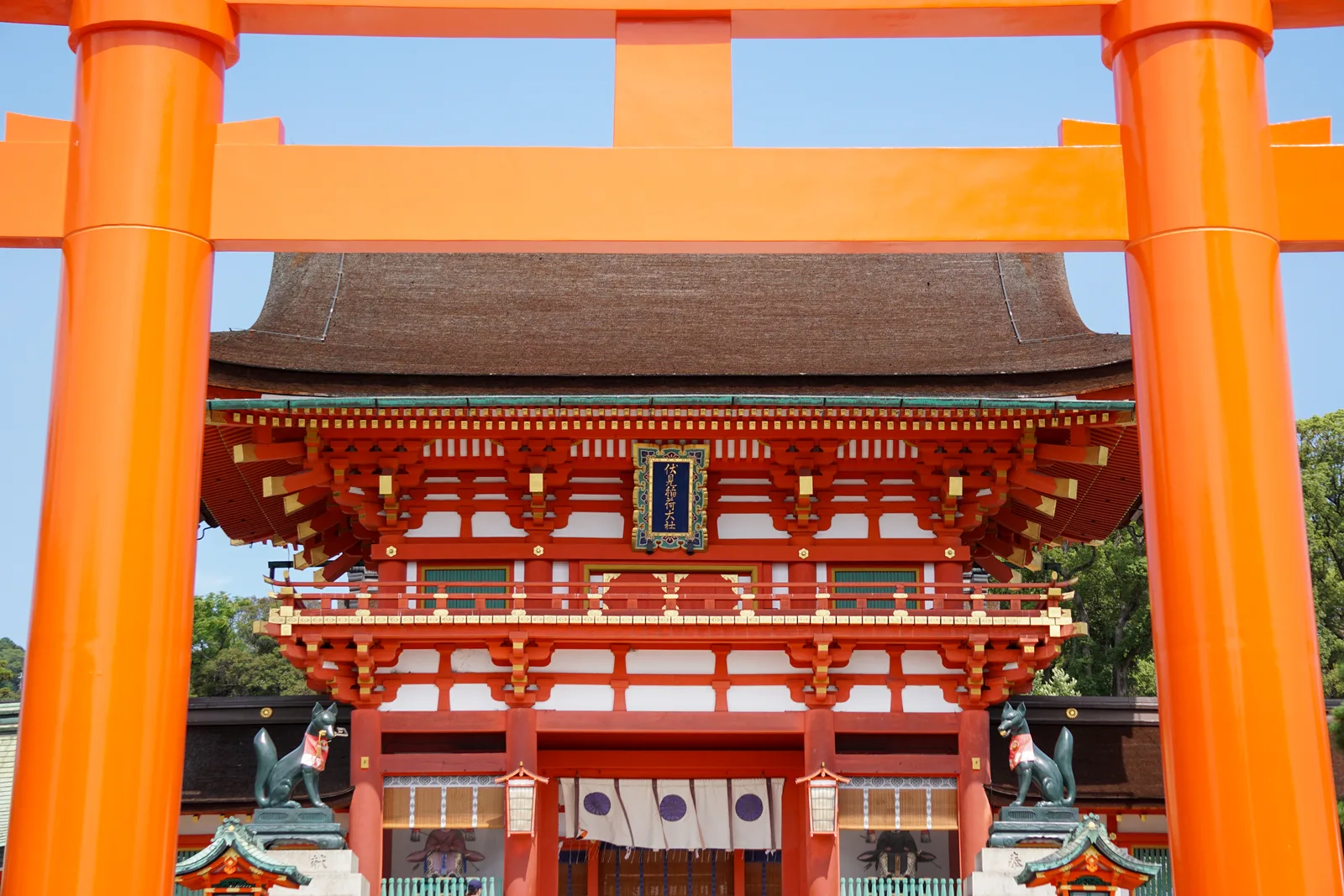
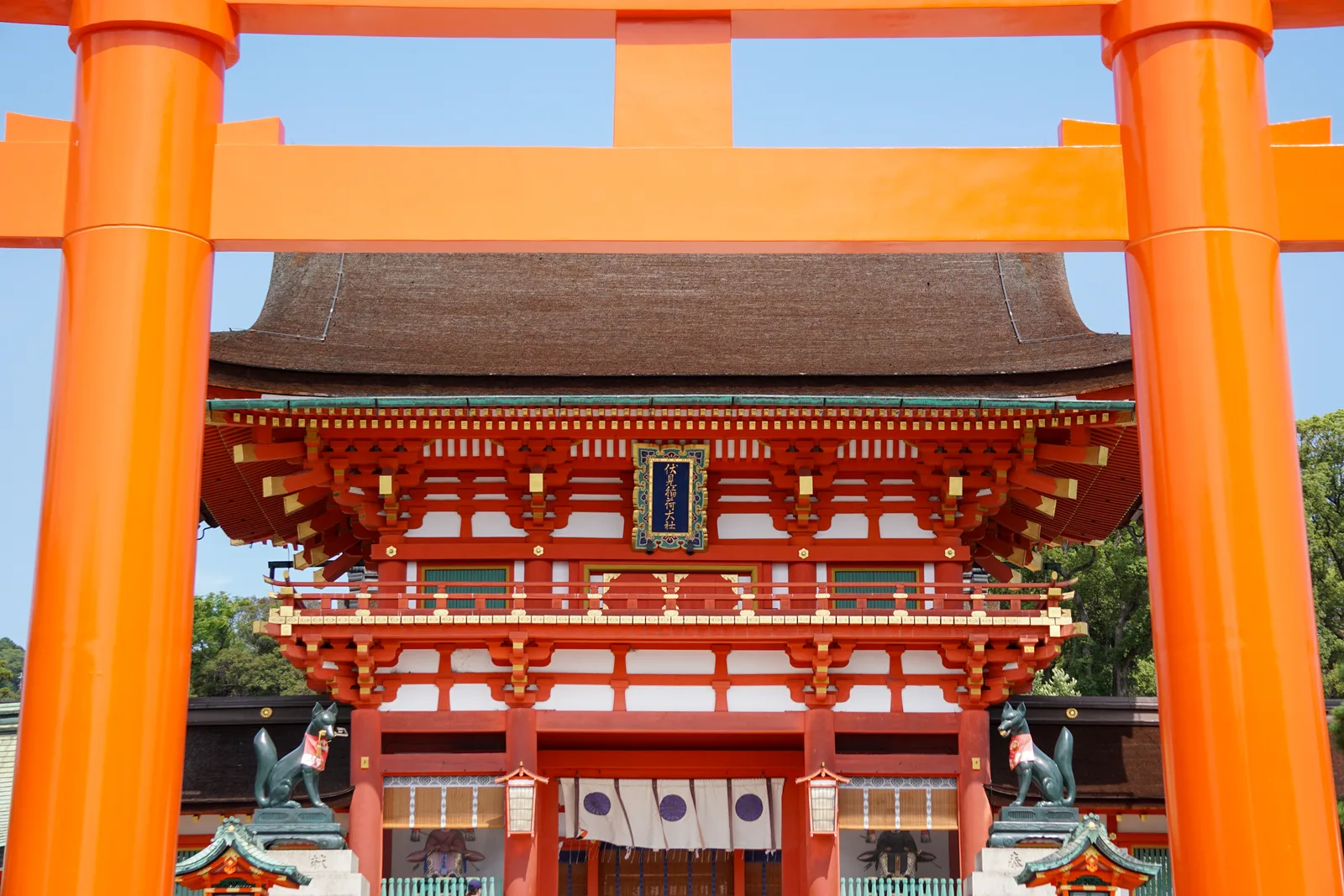
Fushimi Inari Taisha's Romon gate framed by a vermilion torii at the main shrine precinct
Romon gate

Established in 711, Fushimi Inari Taisha is the head shrine of Inari worship in Japan.

Its precincts extend across sacred Mount Inari, where thousands of vermilion torii, otsuka stone altars, shrines, and worship sites rise along the slopes. Dedicated to Inari Okami, associated with rice, abundance, and prosperity, it remains a living place of worship.

Itinerary

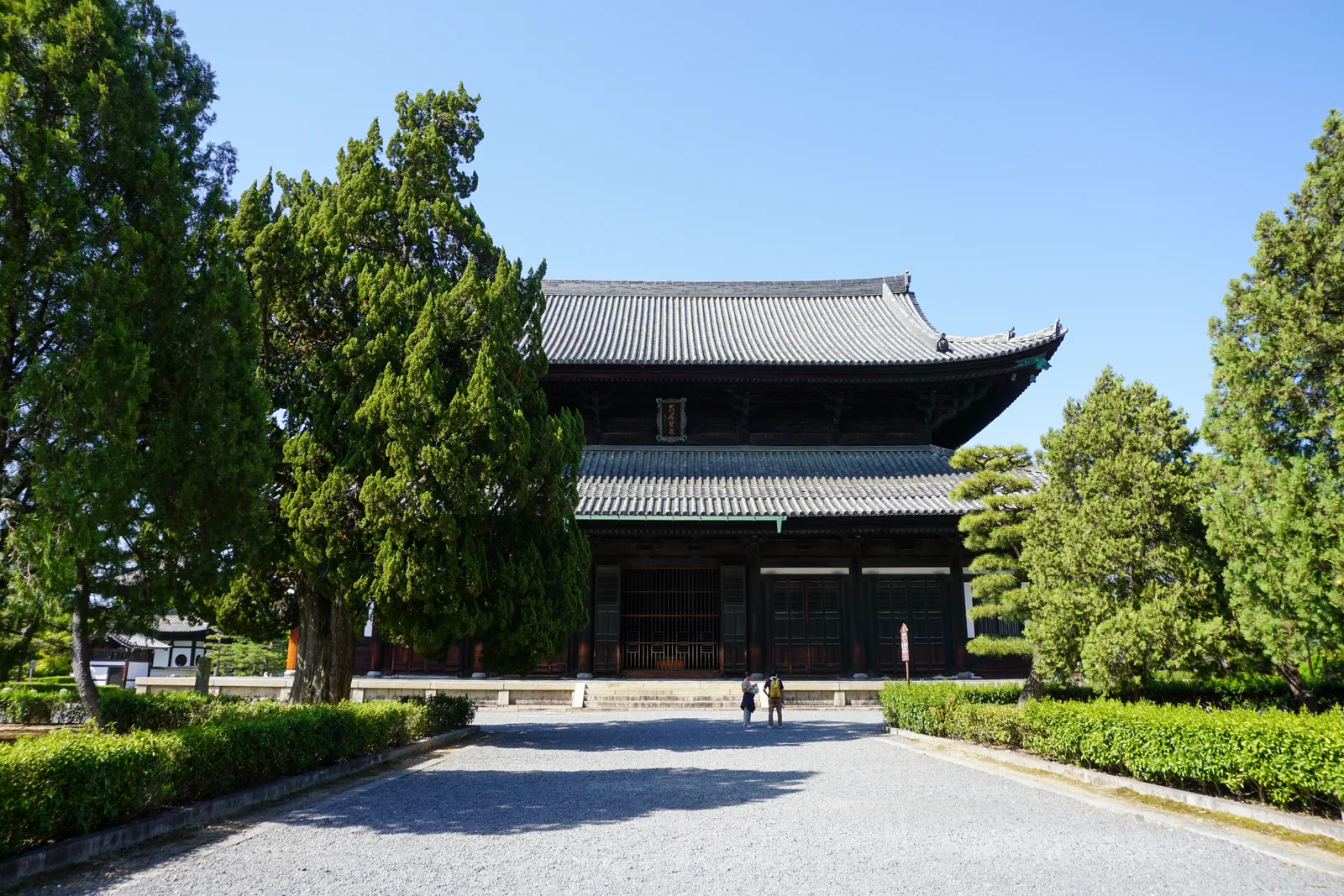
Main Hall on the Tofuku-ji temple approach

Tofuku-ji Temple

Begin among the grounds of Tofuku-ji, passing the Rokujizo statues and Gaunkyo Bridge with views of the Sanmon Gate and Main Hall before heading toward Mount Inari.

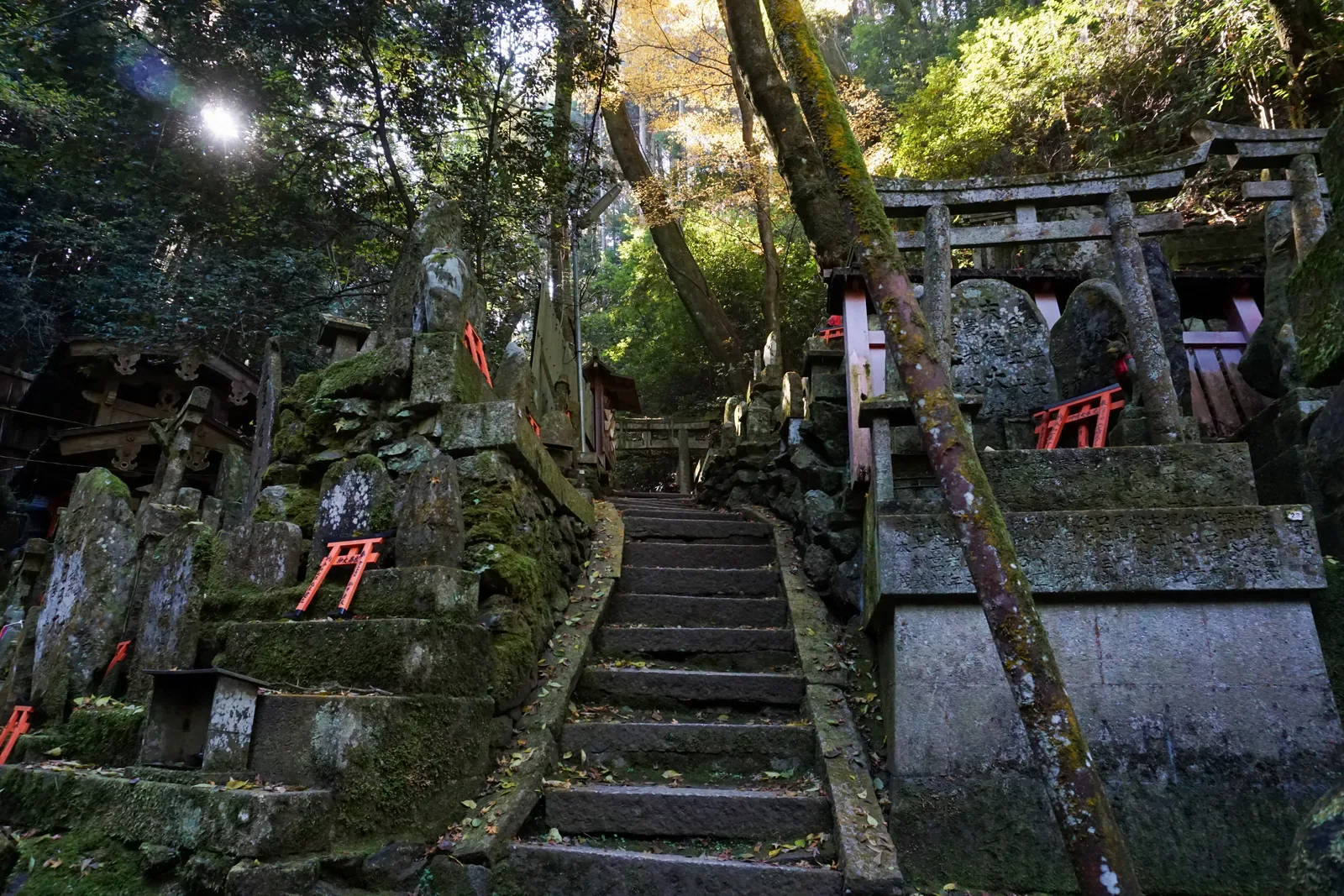
Stone steps between altars and a torii at Kiyotaki on Mount Inari

Kiyotaki

Leave the city behind on the wooded northern side of Mount Inari. Follow a quieter mountain path to Kiyotaki, where water and the surrounding forest reveal another side of the sacred mountain.
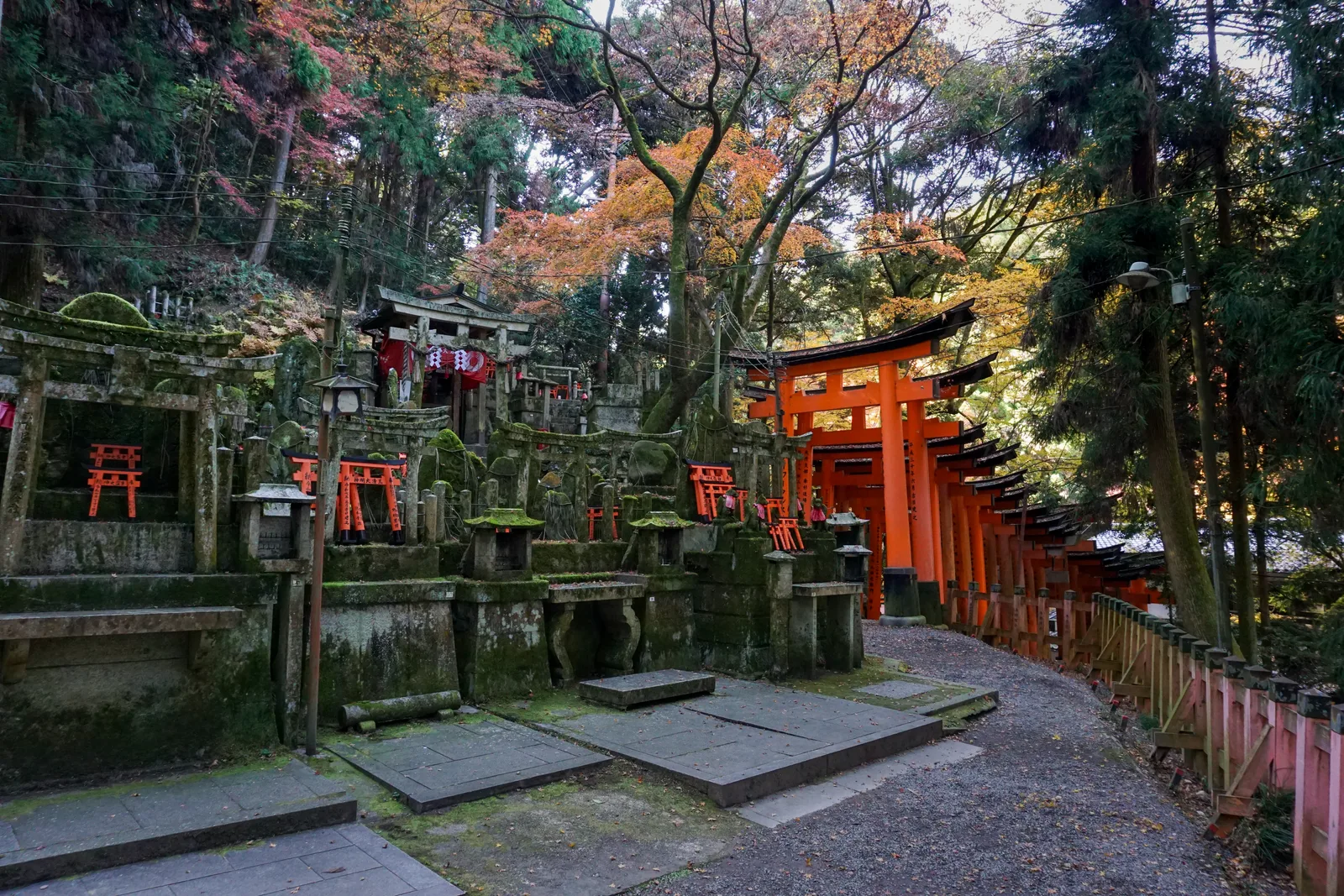
Gozendani worship area on Mount Inari

Gozendani Worship Site

Walk among otsuka stone altars carved with names of deities. At Gozendani, discover a place from which the mountain's three sacred peaks have long been worshipped.
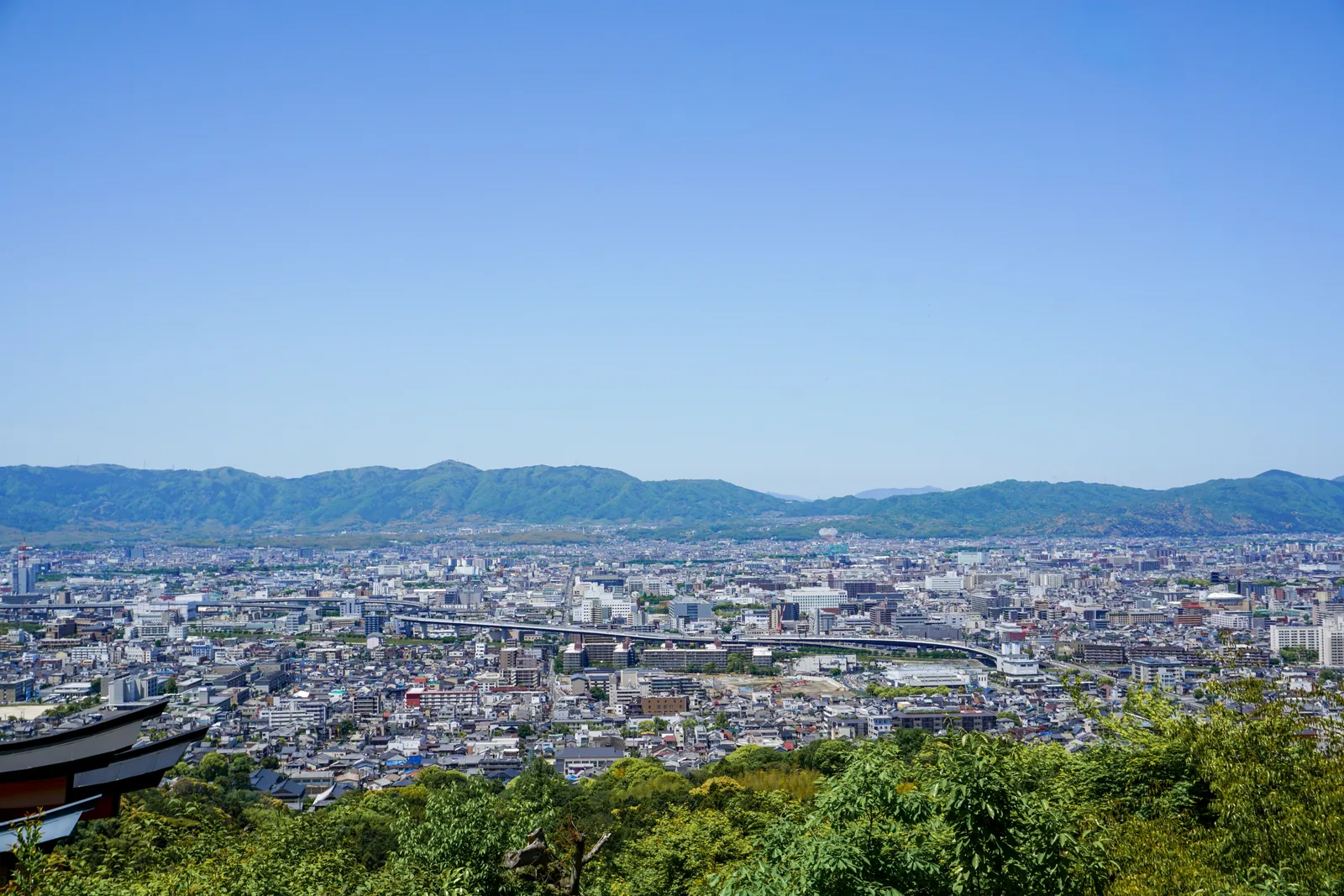
View from Yotsutsuji on Mount Inari

Yotsutsuji Viewpoint

Emerge from the forest at Yotsutsuji, where the view opens across southern Kyoto. Pause here before continuing higher into the sacred peaks of Mount Inari.
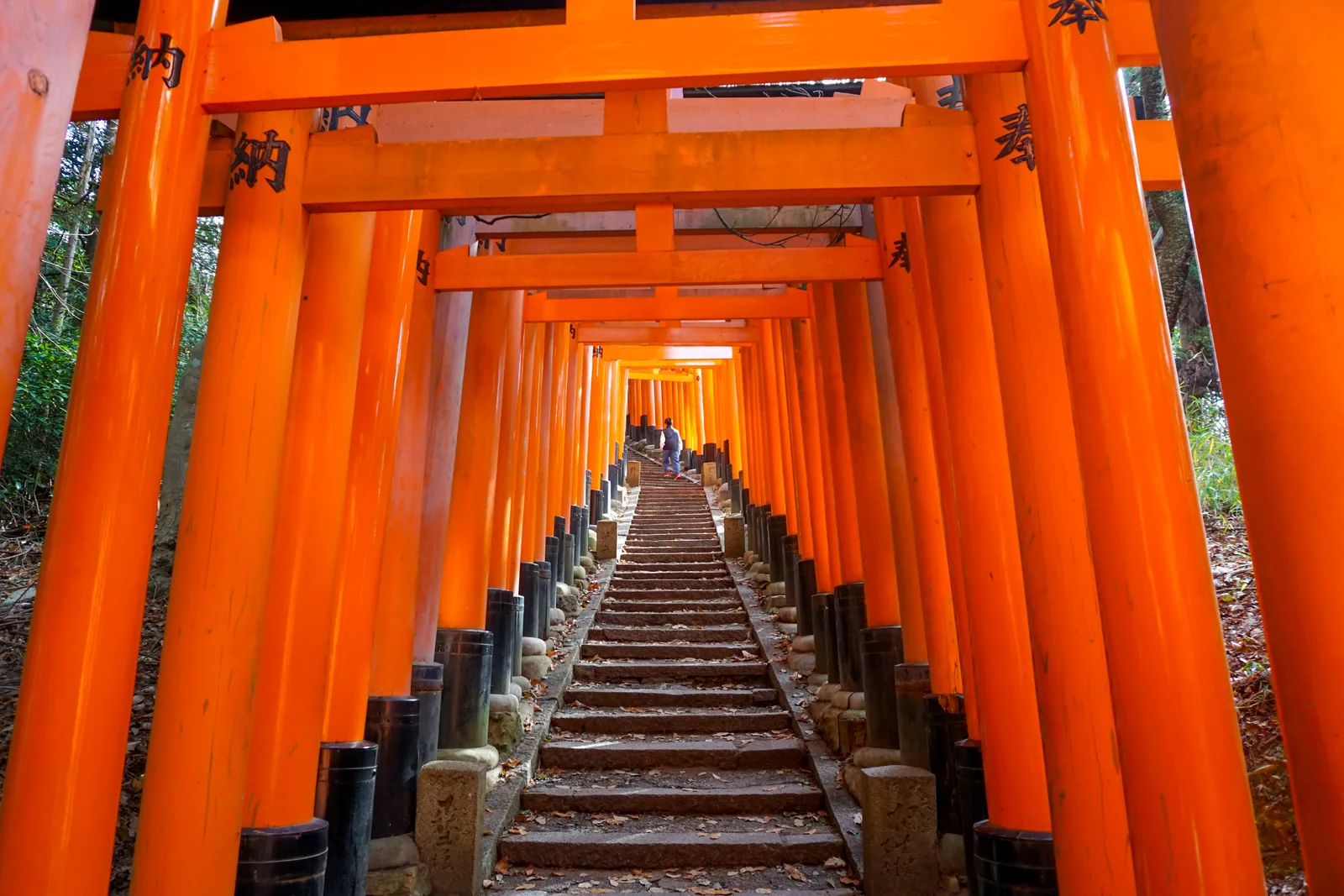
Torii-lined steps on the upper route of Mount Inari

Three Peaks of Mount Inari

Climb the torii-lined stone steps through San-no-mine, Ni-no-mine, and Ichi-no-mine. These sacred sites form the heart of the traditional pilgrimage around Mount Inari, culminating at its highest point.
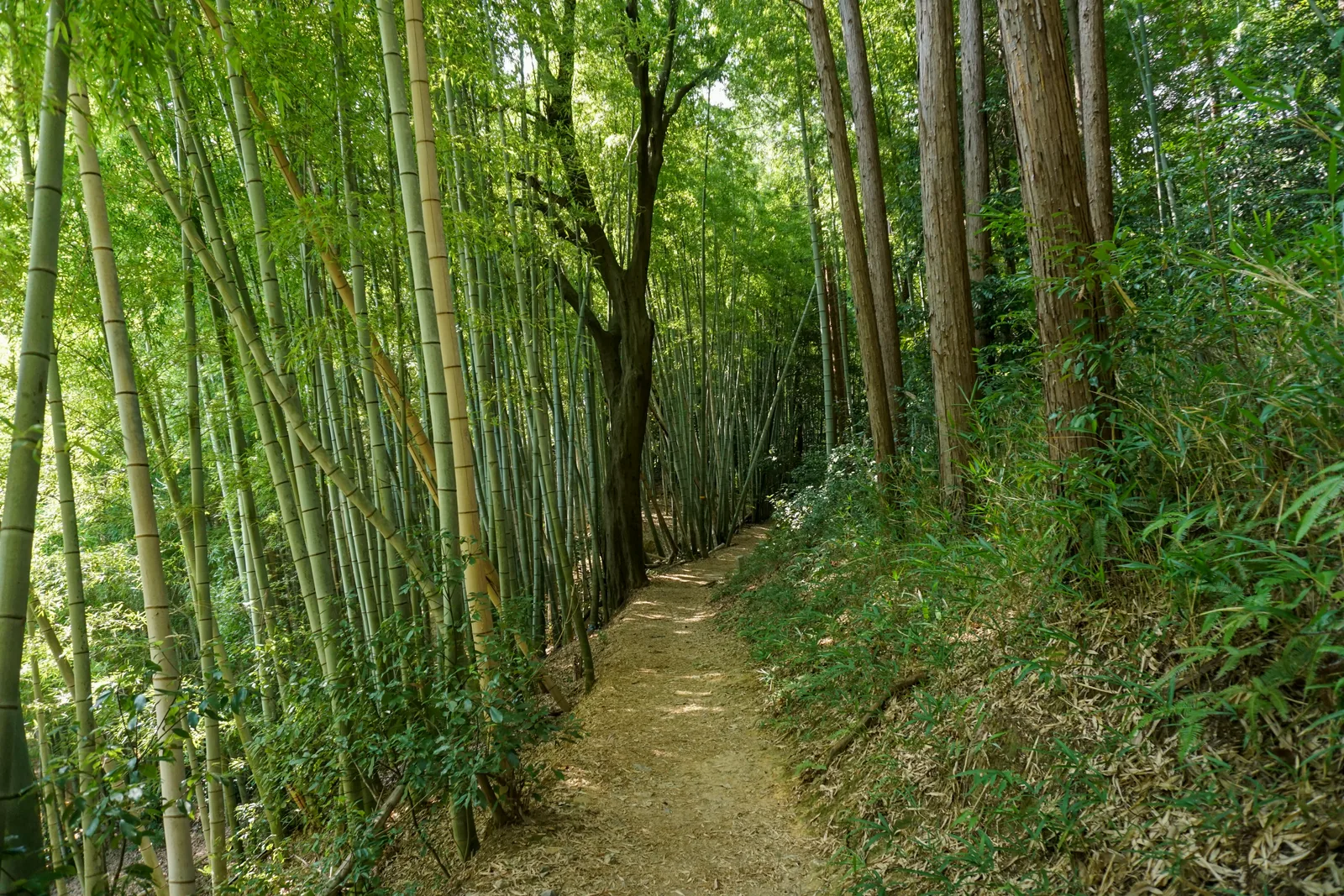
Bamboo-lined descent from Mount Inari

Bamboo-lined Path

Descend from the upper mountain through a quieter trail surrounded by bamboo. Along the way, pass Kobo-ga-taki and experience another change in the landscape of Mount Inari.
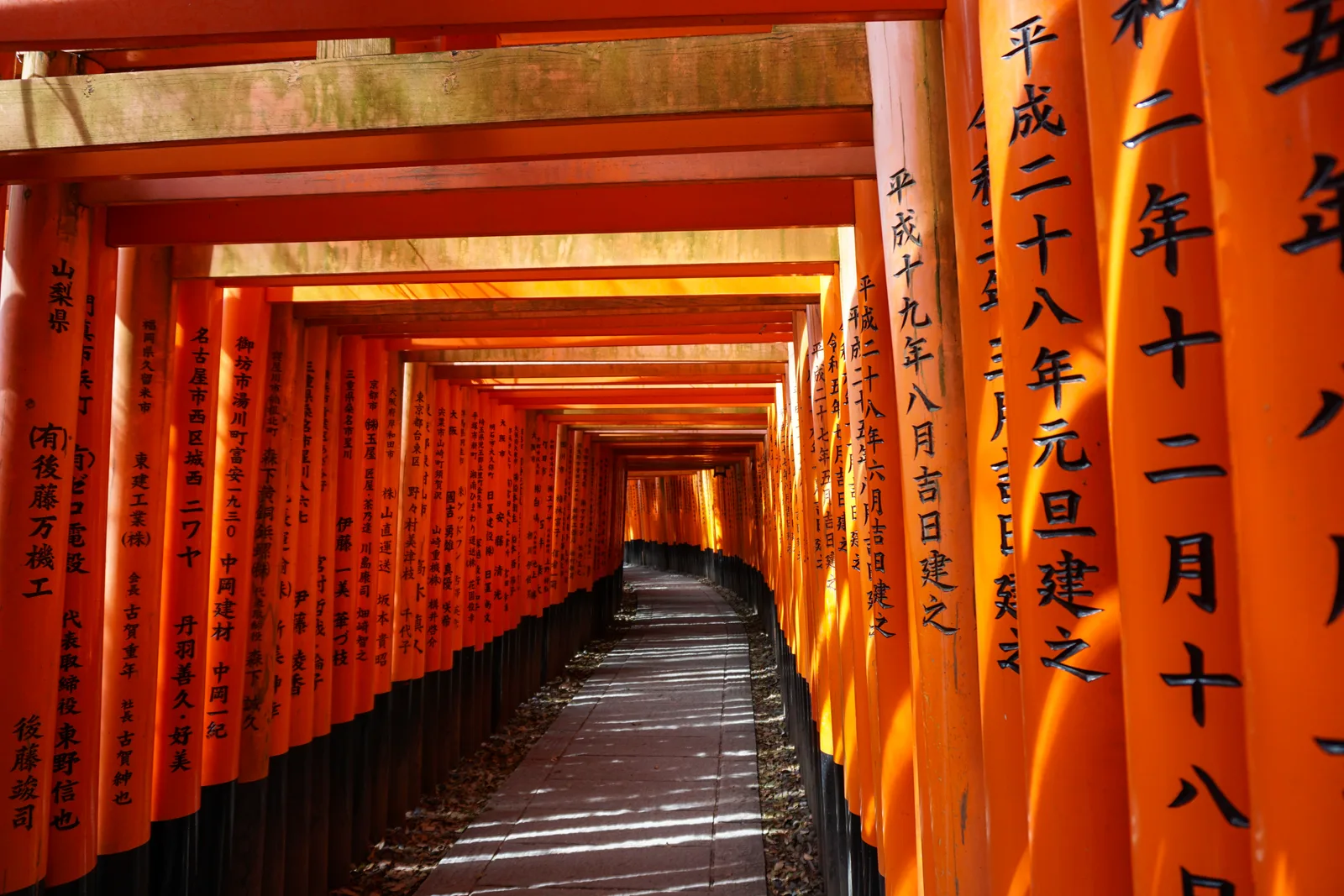
Senbon Torii on the approach to Fushimi Inari Taisha

Senbon Torii

Approach Okusha from the mountain side before walking through the Senbon Torii. After seeing shrines, stone altars, and torii across the mountain, the gates take on a different meaning.
Romon Gate at Fushimi Inari Taisha

Romon Gate

Finish at Fushimi Inari Taisha, visiting the Main Shrine and Romon Gate. It is a final connection between the mountain you have just crossed and the shrine complex at its foot.

Things to Know

Frequently asked questions

Walking load

Approximately 5.8 km If several flights of stairs feel difficult, contact us before booking.